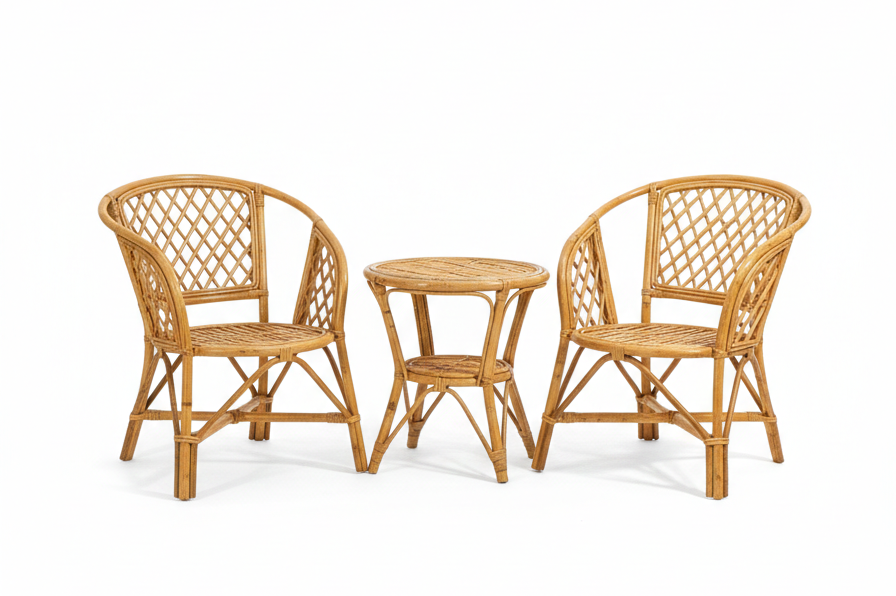
Best wooden chairs for dining table
Best wooden chairs for dining table is the undisputed heartbeat of the modern home. It is no longer just a place to consume meals; it is a multi-functional hub where families gather, remote work unfolds, and long, wine-fueled conversations stretch late into the evening. Because we are spending more time around the dinner table than ever before, the visual and ergonomic weight of your seating choices has never been more critical.
When it comes to longevity, warmth, and structural integrity, wooden dining chairs remain the gold standard. However, the world of timber seating is vast. From the rich grains of traditional hardwoods to the revolutionary, ultra-sustainable rise of premium engineered bamboo, finding the perfect match for your dining table requires balancing aesthetics, durability, and lifestyle needs.
This comprehensive guide breaks down the best wooden chair styles for your dining table, examines the core materials shaping modern interiors, and explores why the smartest design choices are moving toward a greener, stronger alternative.
1. The Anatomy of a Perfect Dining Chair
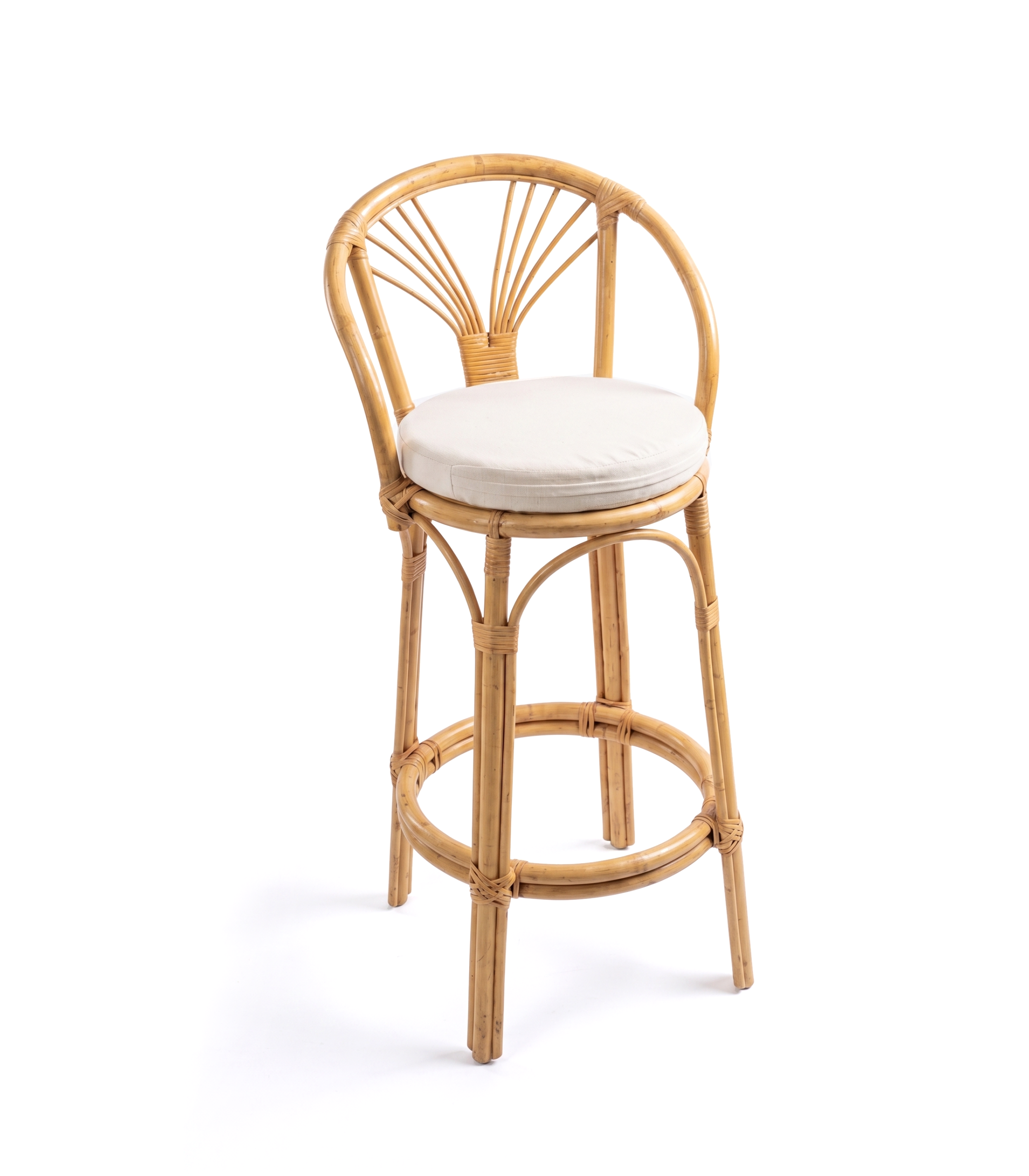
Before diving into aesthetics, a senior designer looks at the fundamental structural and spatial metrics. A chair can be visually stunning, but if it disrupts the flow of the room or causes discomfort after thirty minutes, it fails as a piece of functional design.
- Seat Height vs. Table Height: Standard dining tables stand at approximately 30 inches tall. To ensure optimal legroom and a natural resting position for the forearms, look for chairs with a seat height of 17 to 18 inches.
- The Elbow Room Rule: To avoid a cramped dining experience, budget 20 to 24 inches of width per chair along the perimeter of your table.
- Joint Construction: High-traffic seating requires superior engineering. Prioritize chairs built with reinforced corner blocks and screwed or mortise-and-tenon joints rather than pieces relying solely on surface glues.
- The Silhouette Factor: If your dining room is compact, opt for armless side chairs with open, low-profile backs (such as slat-backs or woven panels). They allow light to pass through, keeping sightlines clear and making the room feel larger. For grand, formal spaces or the heads of rectangular tables, high-backed armchairs provide a commanding, luxurious anchor
2. Top Wooden Chair Styles Dominating Modern Interior Design
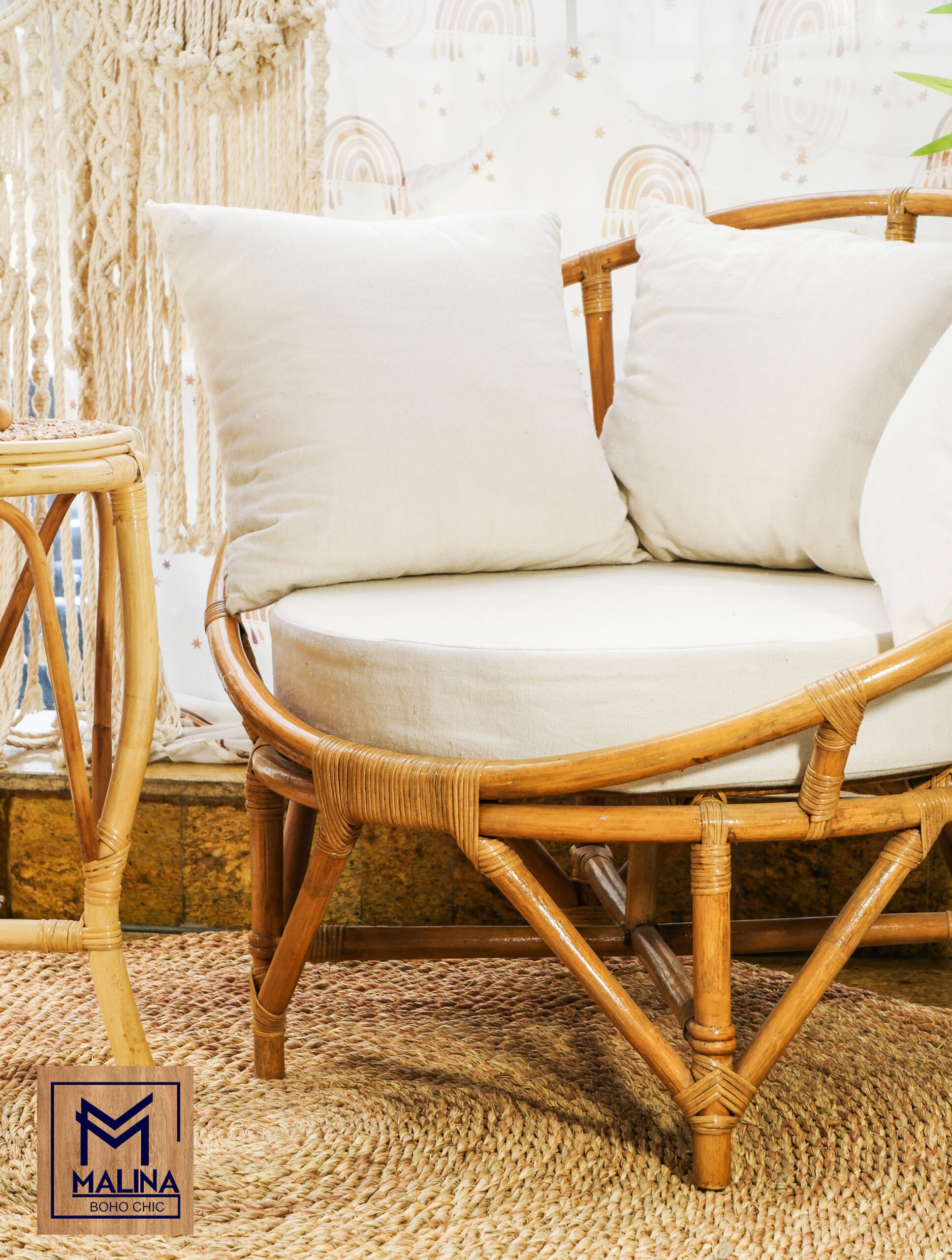
The right chair style acts as a design narrative, tying your architecture to your personal lifestyle. Here are the most prominent design movements utilized by top decorators today.
The Organic Modernist (Scandinavian & Japandi)
Characterized by fluid, nature-inspired curves and a philosophy of “warm minimalism,” this style strips away unnecessary ornamentation to let the material shine. Think of iconic profiles like the Wishbone or Elbow silhouettes. These chairs feature gently tapered legs and curved, low-profile backrests that embrace the natural contours of the body. They pair beautifully with light-washed timber tables, concrete tops, or minimalist glass.
The Mid-Century Icon
If your home leans toward retro-modernity, mid-century styles offer geometric intrigue and structural warmth. Features often include angled peg legs, molded plywood seats, and rich, deeper wood tones. They add an instant structural punch to round or oval dining tables.
The Coastal & Hollywood Regency (Faux Bamboo & Chippendale)
For spaces craving texture, character, and a touch of historical flair, the Chinese Chippendale style remains a perennial designer favorite. These chairs feature intricate geometric fretwork frames carved to mimic natural wood nodes. They inject immediate visual lightness and “Coastal Regency” sophistication into bright, airy dining rooms.
The Mixed-Material Bistro
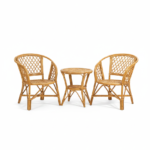
A major movement in contemporary design is the pairing of solid wood frames with tactile woven elements. Incorporating materials like natural cane, rattan weaves, or handwoven paper twine into the seat or backrest brings the outdoors in. The inherent elasticity of these woven materials offers a level of reactive comfort that solid, unyielding wood panels simply cannot replicate.
3. Hardwoods vs. Bamboo
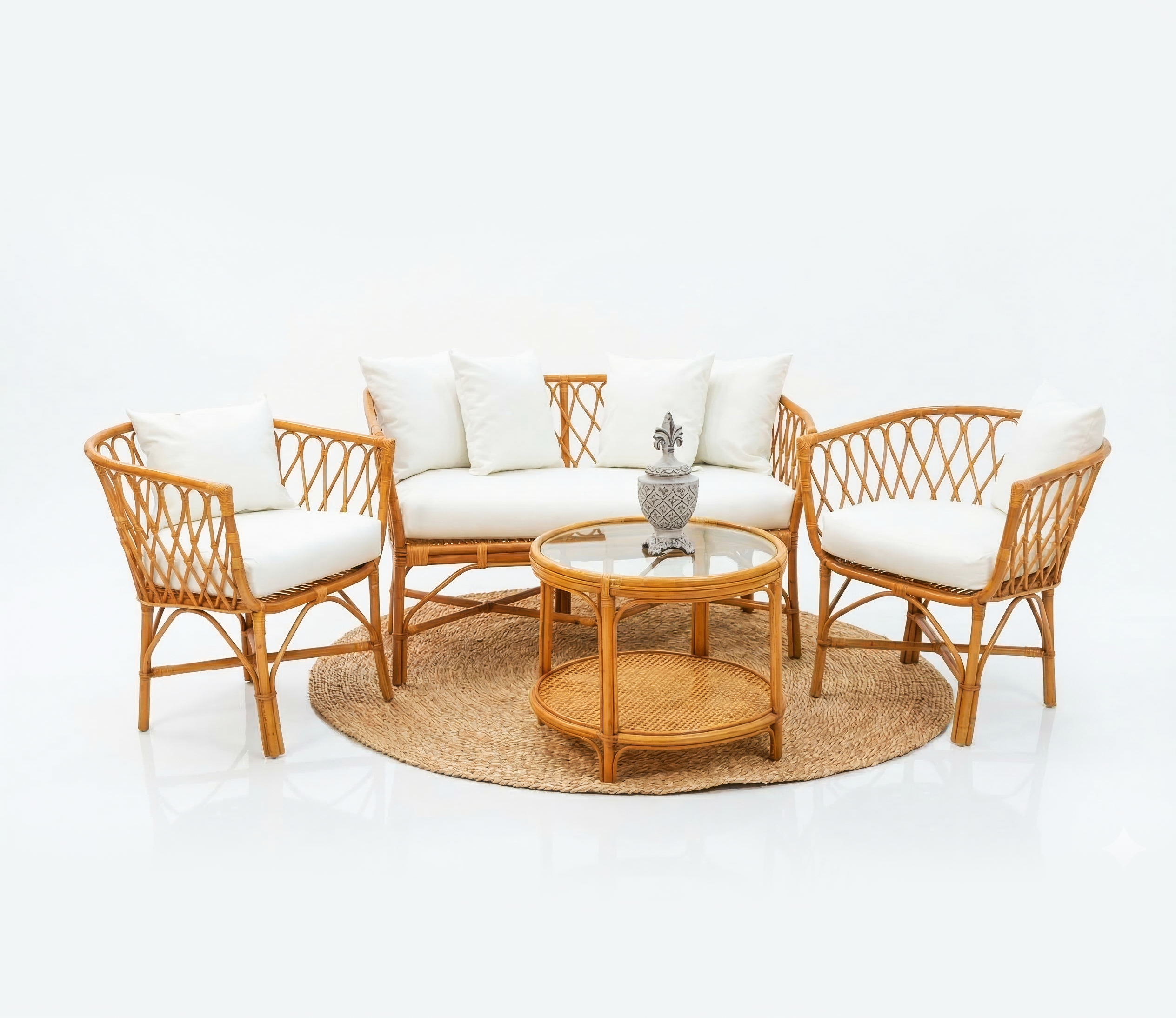
While style dictates the look, the material dictates the legacy. Let’s look at how traditional dining chair timbers stack up against the market’s most disruptive sustainable alternative: Moso Bamboo.
Many homeowners assume traditional hardwoods like Red Oak, Walnut, or Ash are the only premium choices for high-end dining. However, advanced manufacturing has elevated solid laminated bamboo into a luxury category of its own.
| Feature | Premium Moso Bamboo Chairs | Traditional Oak / Walnut Chairs |
|---|---|---|
| Material Hardness | 20% harder than Red Oak; highly resistant to dents and structural warping. | Standard high hardness; susceptible to surface scratching over time. |
| Sustainability & Footprint | Ultra-Eco-Friendly. Reaches full maturity in just 3–5 years without replanting. | Slow-growing; requires 30–50 years for harvest, leading to a higher carbon footprint. |
| Weight & Maneuverability | Lightweight and easy to pull out, yet structurally dense. | Heavy and cumbersome to move, especially for children or the elderly. |
| Tensile Flexibility | High natural elasticity; can be steam-bent into stunning organic curves. | Lower natural flexibility; requires intensive machinery to achieve complex shapes. |
| Tensile Strength | Compares favorably to steel, ensuring joints do not easily loosen. | Relies heavily on thick cuts of timber to maintain long-term stability. |
4. Why Bamboo is the Ultimate Smart Choice for the Conscious Home
If you are currently evaluating your options for a lasting dining room upgrade, expanding your search beyond standard timbers to high-end bamboo products is a game-changing design pivot. Here is why savvy buyers and interior architects are increasingly opting for bamboo over standard wood choices:
1. Unmatched Structural Durability
Because bamboo is technically a grass rather than a tree, its fiber structure is uniquely dense and linear. When processed into premium furniture-grade laminate, it creates a material that does not shrink or swell drastically with seasonal humidity changes. If your dining area sits near a kitchen with fluctuating steam, or opens up to an outdoor patio space, bamboo dining chairs offer unparalleled stability against splitting and warping.
2. The Greenest Footprint in Furniture
True luxury in the modern era is sustainable. Traditional hardwood logging contributes to deforestation, taking half a century to replace a single harvested tree. Bamboo, by contrast, is a self-regenerating resource. When harvested, the root system remains intact, preventing soil erosion and shooting up new stalks immediately. Choosing bamboo dining chairs allows you to achieve the exact warmth, grain luxury, and prestige of wood without the environmental guilt.
3. Exquisite Grain Aesthetics
Modern bamboo furniture is a far cry from the rustic, tiki-style poles of the past. Today’s premium bamboo dining sets feature sleek, linear grain patterns and rich, multi-tonal finishes—ranging from light, airy honey tones to deep, carbonized espresso shades. The subtle node marks add an organic, high-end texture that pairs beautifully with minimalist, bohemian, or transitional dining tables.
Tips for Styling Your New Dining Chairs
Once you have selected your ideal seating, creating a cohesive room requires a thoughtful styling strategy:
- Layer with Textiles: If you select an all-wood or all-bamboo chair silhouette, soften the space by adding seat cushions upholstered in performance linen, bouclé, or washable textured weaves. This introduces a tactile contrast and ensures guests linger for hours.
- Incorporate Greenery: Accentuate the natural, earthy undertones of your wooden seating by styling the dining room with live plants. A large fiddle-leaf fig in the corner or a minimalist vase of bamboo stalks on the table instantly harmonizes the room’s energy.
- Mind Your Floors: Hardwood and bamboo chairs are incredibly sturdy, but they can scrape delicate flooring if left bare. Always attach high-quality felt floor protectors to the base of the chair legs to ensure silent, scratch-free movement.
Final Thoughts
Your dining chairs are an investment in your home’s daily rhythm. While traditional woods offer a classic aesthetic, opting for modern bamboo dining chairs allows you to capture that exact timeless warmth while benefiting from superior hardness, lighter weight, and an eco-responsible legacy.
When choosing your next set, prioritize ergonomic support, celebrate natural textures, and choose a material that respects the planet as much as it elevates your interior design.