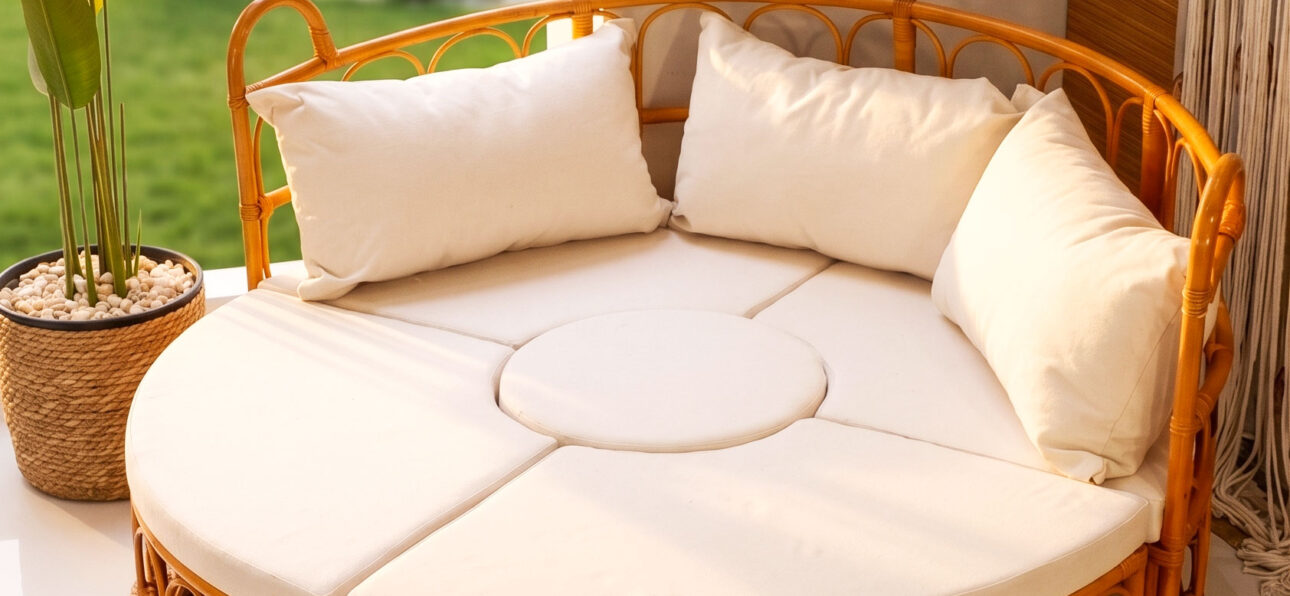
There is an undeniable allure to bamboo furniture. Its organic lines, lightweight structure, and warm, tropical aesthetic can instantly transform a basic backyard patio into a serene, eco-friendly oasis. Because bamboo is actually a fast-growing grass rather than a traditional hardwood, it carries a unique cellular structure that makes it incredibly strong even boasting a higher tensile strength than steel under specific conditions.
However, bringing this interior design darling out into the open air comes with a unique set of challenges. If you are considering adding bamboo to your outdoor living space, you need to understand how this material interacts with nature, how it holds up over time, and exactly what it takes to protect your investment.
Is bamboo furniture suitable for outdoors?
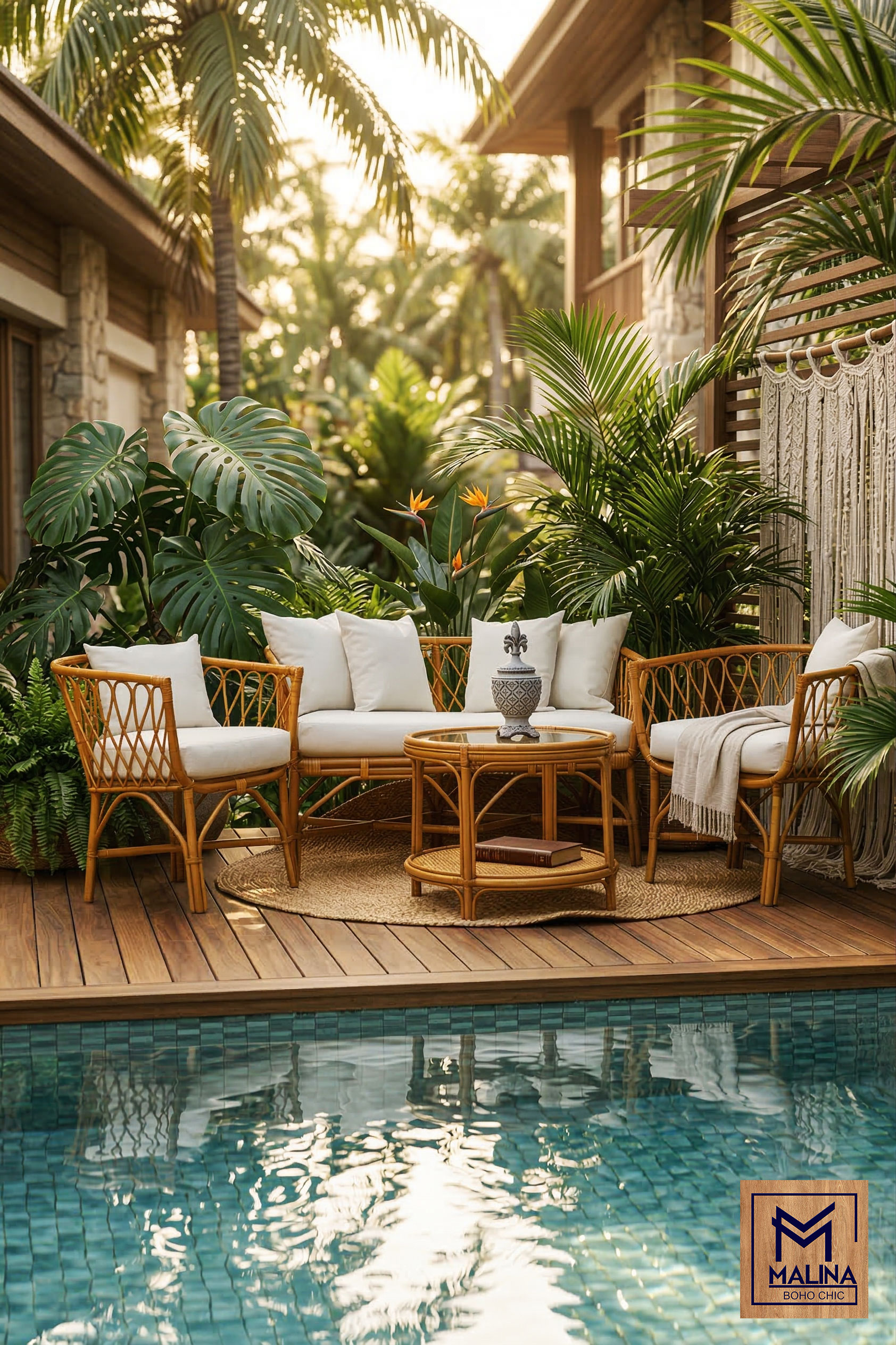
The short answer is yes, but with a major asterisk, it depends entirely on the type of bamboo, your local climate, and how well the material is treated.
Natural bamboo is inherently resilient, but because it is a porous, organic grass, it behaves like a sponge when exposed to moisture. If left completely raw and exposed to constant rain or high humidity, bamboo will absorb water, leading to mold, rot and structural warping. Conversely, intense, direct sunlight can bake the natural oils right out of the stalks, causing them to split or crack over time.
To make bamboo truly suitable for outdoor environments, it must either be used under a protective structure such as a covered porch, pergola, or veranda or meticulously treated with protective sealants. If you live in an arid or temperate climate, your bamboo furniture will require far less intensive maintenance than it would in a tropical, high-humidity region or an area plagued by frequent rainstorms.
Can bamboo furniture stay outside in winter?
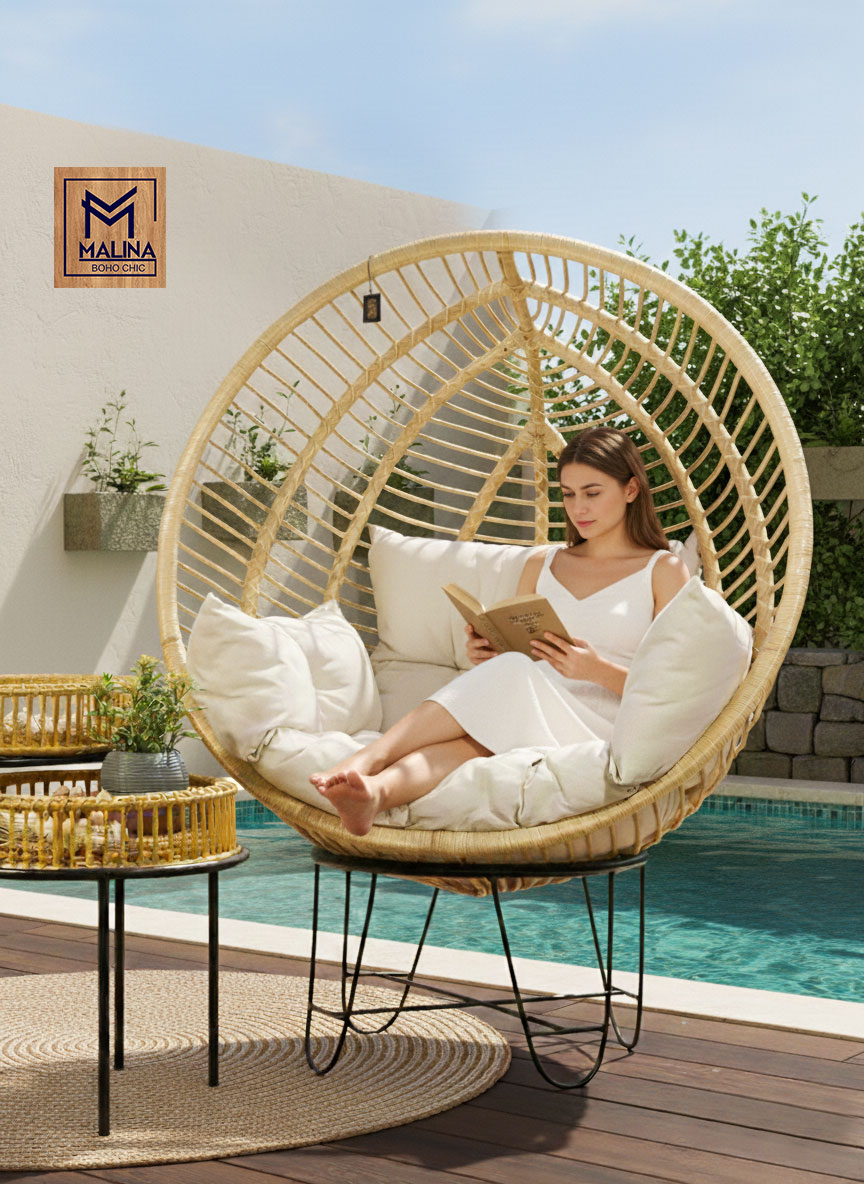
Leaving natural, unprotected bamboo furniture outside during a harsh winter is a recipe for structural failure.
Winter brings a destructive duo (freezing temperatures and moisture). When rain or melting snow seeps into the porous grain or the hollow centers of bamboo canes and then freezes, the water expands. This internal pressure causes the bamboo stalks to split cleanly down the middle, permanently ruining the structural integrity and safety of the furniture.
Furthermore, prolonged exposure to winter dampness without adequate sunlight to dry it out creates the perfect breeding ground for black mold and mildew. If you want your bamboo furniture to last for years rather than a single season, it should be brought indoors, stored in a dry shed, or placed in an unheated garage during the freezing winter months. If storage space isn’t an option, you must wrap the dry furniture tightly in heavy-duty, breathable, waterproof outdoor furniture covers, ensuring they are elevated off damp ground or wet grass.
What is the best outdoor furniture to be left outside?
If your primary goal is to buy patio furniture that you can truly “set and forget” year-round without worrying about rot, rust, or winter storage, natural bamboo is not your best candidate. Instead, look to materials engineered or naturally evolved to withstand extreme weather.
| Material | Weather Resistance | Maintenance Level | Best For |
| High Density Polyethylene (HDPE) Lumber | Exceptional (Won’t rot, warp, or fade) | Extremely Low (Soap and water) | Total year-round exposure, snow, and coastal air |
| Powder Coated Aluminum | High (Naturally rust-proof and sturdy) | Low (Occasional wipe-down) | Modern patios, rainy climates, windy areas |
| Teak Wood | High (Packed with natural protective oils) | Moderate (Requires annual oiling or sanding) | Premium, classic wood look that resists rot and insects |
| Synthetic Resin Wicker | High (UV-resistant strands over aluminum frames) | Low (Hose down occasionally) | Traditional patio aesthetics without the rot of natural rattan |
If you absolutely love the aesthetic of bamboo but want zero maintenance durability, synthetic bamboo or poly-rattan furniture built over a powder-coated aluminum frame offers the perfect compromise. It gives you the visual warmth of tropical wood without any of the vulnerabilities to moisture and frost.
How to weatherproof bamboo furniture?
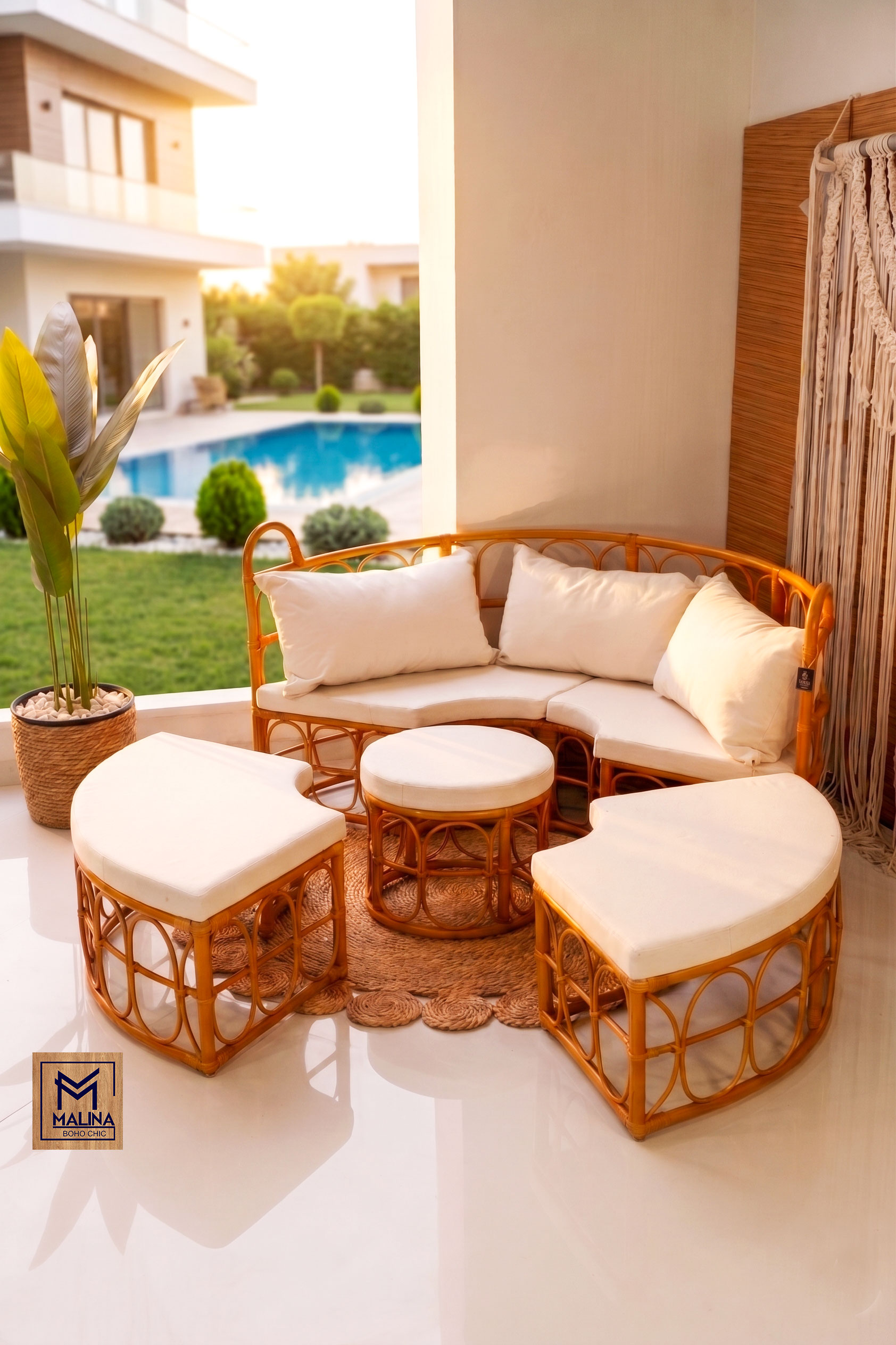
Weatherproofing is an ongoing strategy, not a one-time project. Beyond the initial sealing process, comprehensive weatherproofing involves smart placement, regular maintenance, and tactical protection.
- Elevate the feet: Bamboo is highly prone to “wicking” water straight up from the ground. If your patio furniture sits on damp grass, soil, or even concrete that puddles during rain, the bottom of the furniture legs will rapidly rot. Cap the bottom of the legs with rubber glides, plastic furniture feet, or silicone caps to keep them out of standing water.
- Apply a coat of outdoor paste wax: Every few months during the spring and summer, rub a layer of high-quality outdoor carnauba paste wax over the sealed bamboo. This adds an extra, highly hydrophobic (water-repelling) layer that causes rainwater to bead right up and roll off, while providing additional defense against sun-bleaching UV rays.
- Provide shade: Whenever possible, position your bamboo set under an awning, large patio umbrella, or deep porch eaves. Limiting its exposure to direct midday sunlight preserves the finish and prevents the wood fibers from drying out and checking (developing small splits).
- Keep it clean: Dust, leaves, and bird droppings trap ambient moisture against the wood grain. Wipe your furniture down weekly with a dry microfibre cloth, and never let damp cushions sit directly on the bamboo surfaces for days after a storm. Keep the area ventilated so the material can breathe.
Bamboo vs. Rattan vs. Teak: How do they compare?
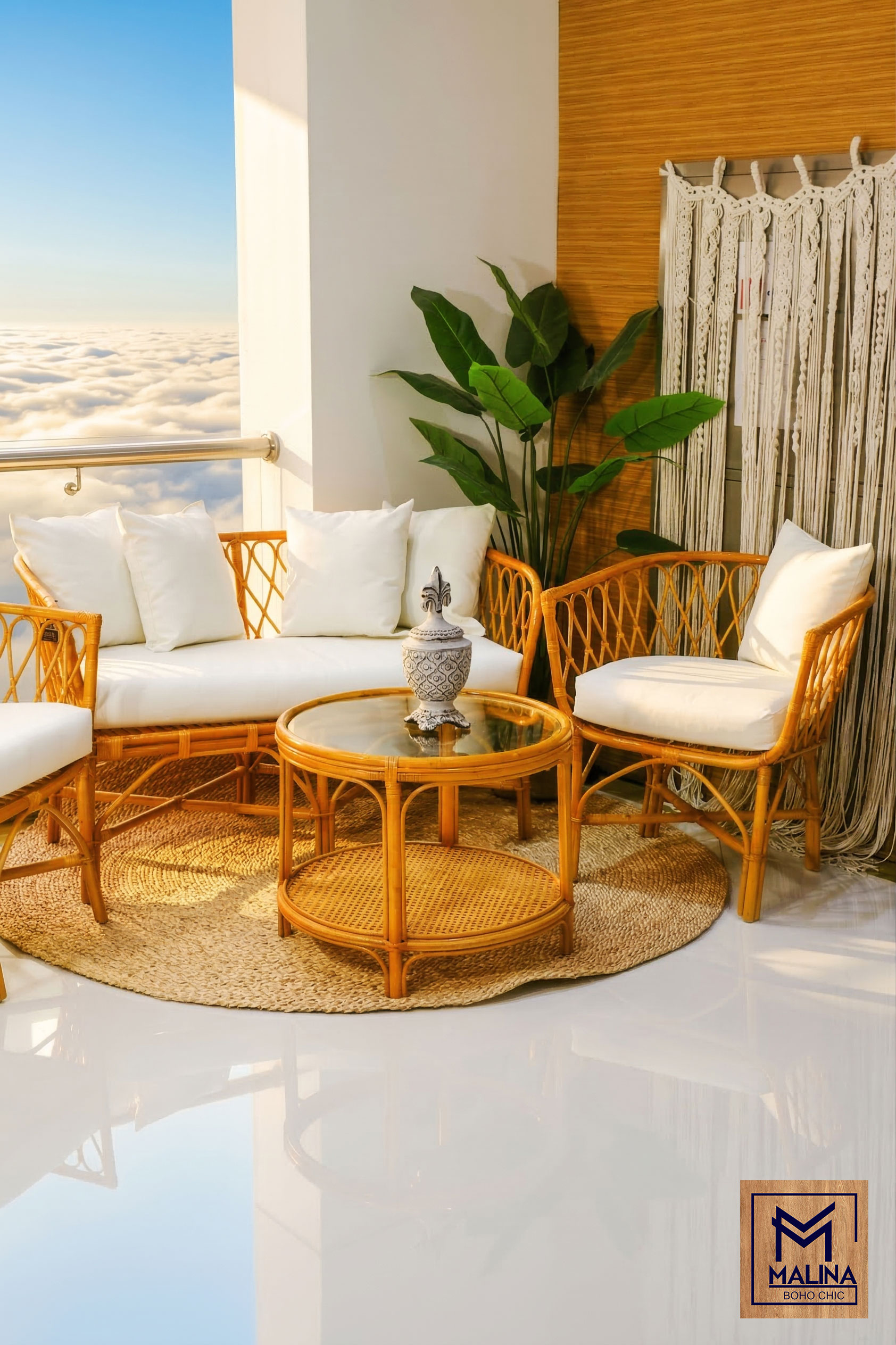
When curation choices are on the table, buyers frequently confuse bamboo with rattan or wonder if they should just invest in teak. While they all offer a warm, organic texture, their structural behaviors in outdoor settings are vastly different.
- Bamboo: A hollow, incredibly strong grass. It has massive structural strength but is highly vulnerable to splitting if moisture gets trapped inside the hollow chambers and freezes.
- Rattan: A solid, fibrous vine rather than a hollow stalk. Because it is solid, it is highly flexible and excellent for intricate weaving, but it is even more susceptible to moisture damage and mold than bamboo when left uncovered.
- Teak: A dense, tight grained hardwood naturally saturated with rubber and protective oils. Unlike bamboo, teak repels water entirely on its own, making it vastly superior for completely unprotected outdoor exposure though it comes at a significantly higher price point.
Also You May Like: Is Bamboo Good for Outdoor Furniture?
Protecting bamboo furniture from insect damage and pests
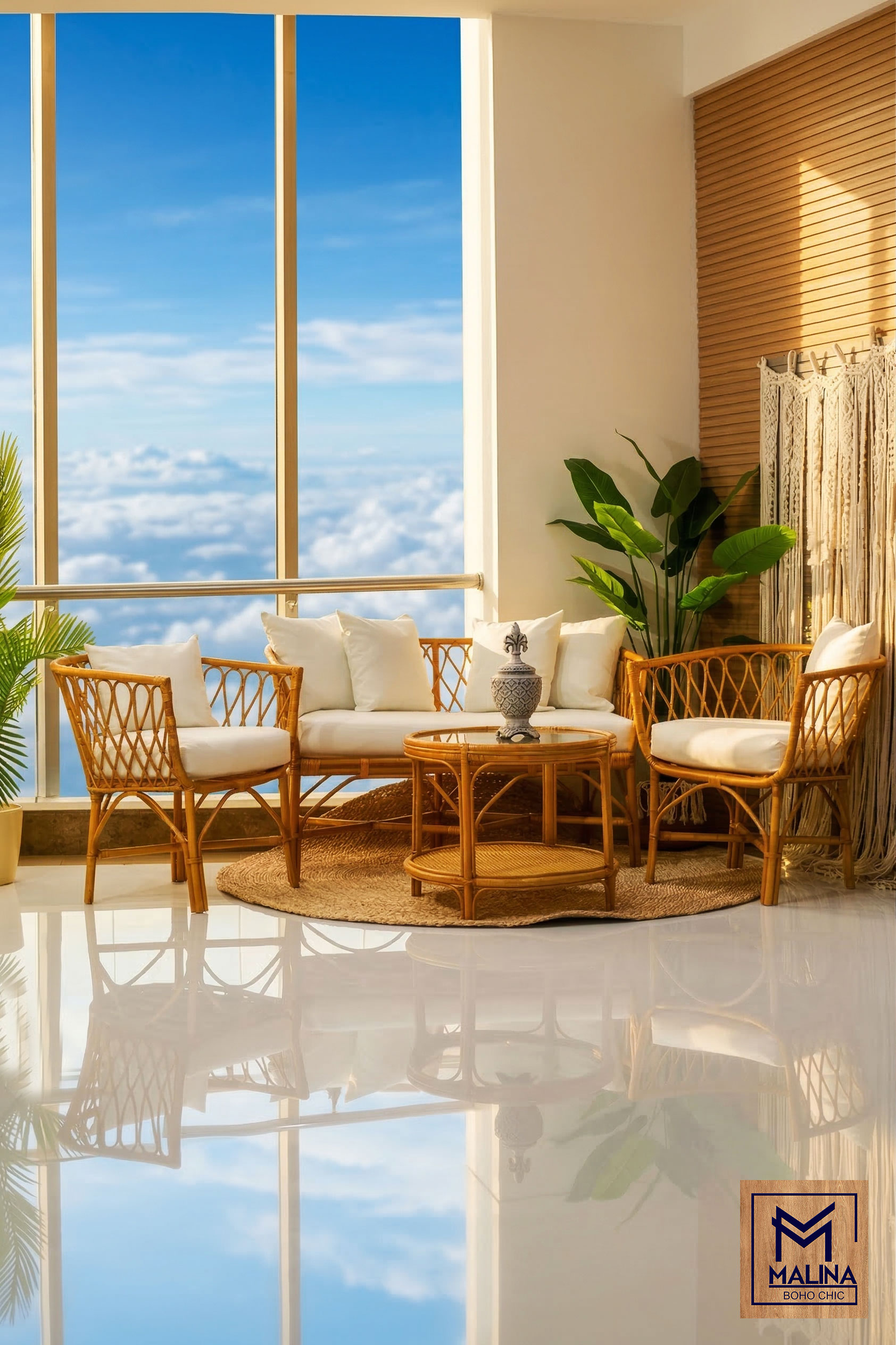
Because bamboo is a carbohydrate-rich grass, untreated stalks contain natural sugars and starches that act like a dinner bell for boring insects, powderpost beetles, and termites. If these pests compromise the internal fibers, your furniture can collapse without warning.
When purchasing bamboo furniture for the patio, ensure it has undergone a professional borate treatment (a non-toxic salt solution bath that leaches out the natural sugars and replaces them with minerals insects cannot digest). If you are working with untreated bamboo, applying a localized insecticide or a borate-based wood preservative before your final sealant coat is a critical step in making the material unpalatable to wood-boring pests.
The environmental reality: Is Bamboo Furniture Outside actually eco-friendly?
From a sustainability standpoint, bamboo is an absolute superstar. Because it is a grass, it can be harvested every 3 to 5 years without killing the plant’s root system, whereas traditional hardwoods take 30 to 70 years to mature. It also releases roughly 35% more oxygen into the atmosphere than an equivalent stand of trees.
However, the “eco-friendly” label gets complicated when we factor in outdoor longevity. If a homeowner buys cheap, poorly treated bamboo furniture that rots and ends up in a landfill after just two seasons, the environmental benefit is entirely lost. To maximize the green footprint of your outdoor bamboo, you must invest in high-quality construction and commit to the weatherproofing maintenance cycle so the furniture stays in service for decades.